Phoenix Key's Resale Prices Are Already Ahead of the Contract. Financing Might Not Catch Up by December.
October 1, 2026
October 1, 2026
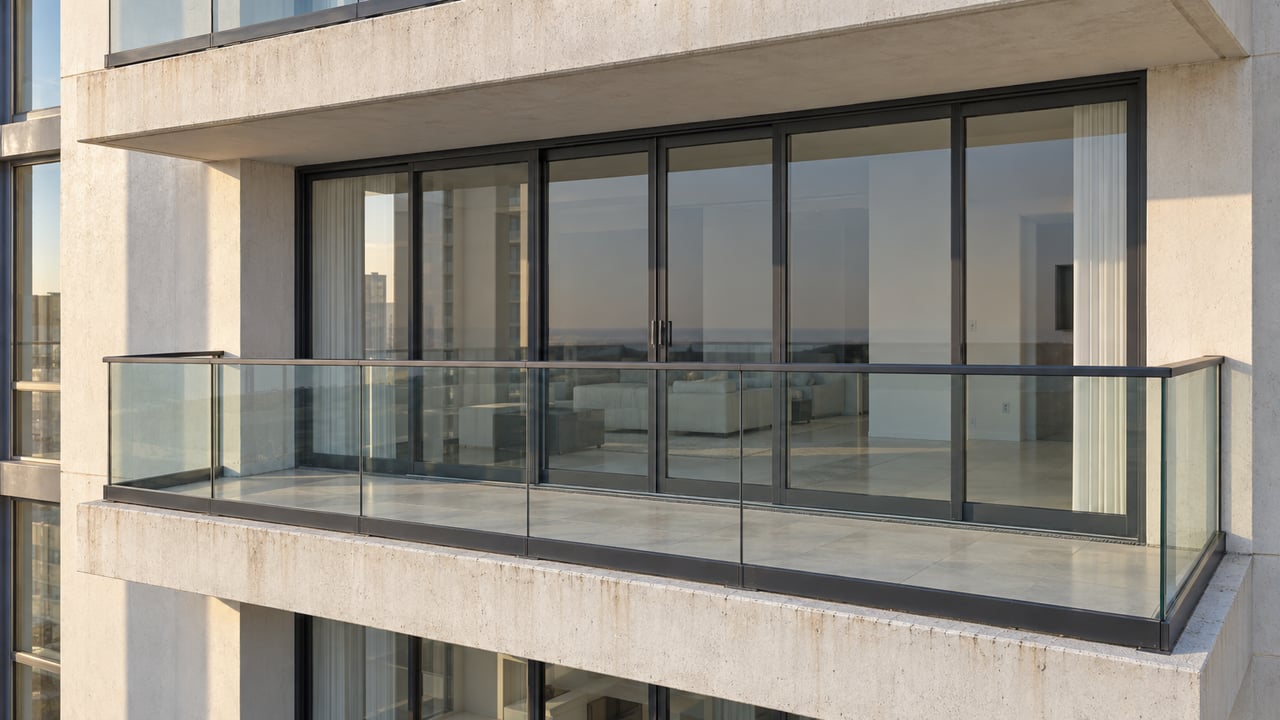
The concrete shell of Phoenix Key has been topped out for months now, and the crews working inside it this fall are past the part anyone walking Perdido Beach Blvd can see. They're routing high-capacity plumbing and electrical lines through the frame, building out the mechanical guts that turn a poured structure into 56 livable units. Seven stories up, on top of the parking garage, the outline of an elevated lazy river and lagoon pool is taking shape, the kind of amenity that used to require a full ground-floor footprint and now just sits above the beach traffic instead. Multiple listings tied to the project point to a tentative completion date in December 2026, three months from now.
Here's the number that should get more attention than the finishes list. One listing for a 5-bedroom unit inside the tower this year priced the unit at roughly $900 a square foot, and noted in the same breath that resales elsewhere in the building were already trading near $1,000 a square foot. Nobody has moved in yet. The building isn't finished. And units that haven't closed are already worth more, on paper, than the contracts that created them. That gap looks like a win for anyone holding an early reservation. It's actually the part of this deal worth slowing down on.
A resale inside a completed condo building is straightforward: a unit changes hands, the sale gets recorded, and the price becomes a comp for the next sale. A resale inside a tower that's still three months from its first closing is a different animal. What's trading here isn't a finished home, it's a contract position, a spot in line for a unit that will exist in December. The price someone pays for that position tells you what the next buyer believes the finished unit will be worth. It doesn't tell you what a bank believes, because a bank hasn't been asked to lend against it yet.
That distinction matters more here than it would in almost any other kind of real estate purchase, because Phoenix Key's own marketing is now using those pre-completion resale prices to justify the pricing on units that haven't closed. One listing leaned directly on that logic, pricing a unit near $900 a square foot while pointing to nearby resales already at $1,000. It's a reasonable thing for a seller to point to. It's also a signal that the price discovery happening inside this building right now is happening entirely among buyers who haven't been through an appraisal yet.
Most buyers closing on a preconstruction unit aren't paying all cash. At some point between now and December, a lender is going to order an appraisal on these units, and that appraiser needs comparable sales to support the number on the contract. In a finished neighborhood, that's easy: pull the last six months of closed sales on similar units and you have your comps. Inside an unfinished 56-unit tower, the only comps available are other contract resales in the same building, units that also haven't closed, priced by buyers who are making the same bet the seller is making.
That's a thin, self-referential comp set, and it's exactly the kind of thing an appraisal review flags. If the appraised value comes in under the contract price when a buyer's closing arrives this December, the buyer doesn't get to renegotiate with the market. They get a choice: bring extra cash to close the gap, or walk from a signed contract and lose their deposit. Rising resale prices inside a building that hasn't finished construction don't guarantee a bank will agree with them by the time financing actually has to happen. They just mean the next few reservation holders are pricing off each other, three months before anyone finds out if a lender agrees.
The premium buyers are chasing here isn't uniform across the building, and neither is the income projection backing it up. Floor plan matters as much as square footage.
| Floor Plan | Annual Rental Projection |
|---|---|
| 5BR / 6BA corner units | $179,914 – $219,894 |
| 6BR / 7BA penthouse units | $216,868 – $265,060 |
| 5BR / 5BA (lowest floor listed) | Exceeding $225,000 |
| 5BR corner unit (24th floor) | Approximately $200,000 |
A 6-bedroom penthouse and a 5-bedroom corner unit two floors below it aren't competing for the same renter or the same income ceiling, and the spread between the low end of one range and the high end of another is close to $85,000 a year. Anyone comparing a Phoenix Key reservation against a completed building's rental history needs the projection tied to the exact floor plan they're buying, not a building-wide average pulled from whichever unit is currently for sale. One listing also advertises a reduced 5 percent management fee for the first two years through the tower's rental program, which changes the net math on any of these projections and is worth confirming applies to the specific reservation, not assumed across the building.
A site update this summer clarified the bathroom count on the 4-bedroom floor plan. It has 5 full bathrooms, because every guest bedroom is designed as a private suite. That's good news for anyone renting the unit to multiple families who'd rather not share a bathroom. It's also a small, concrete example of something buyers underwriting a preconstruction deal tend to forget: the floor plan on the sales sheet isn't locked until the building is. Bedroom counts, bathroom counts, even which units get which balcony configuration can still shift while framing and MEP work continue. A rental projection or a resale price built on a spec sheet detail that changes between now and December is a projection built on a moving target.
If you're looking at a unit inside Phoenix Key, or comparing it against an earlier-stage option like Phoenix South Point, the 66-unit tower going up next door to CoastAL with a 2027 completion date, the questions worth asking aren't about the amenities. They're about the numbers behind the number.
Ask what closed sales, not other pending contracts, the seller is using to justify a resale price above the original contract. Ask what happens contractually if the December appraisal comes in under the purchase price, whether the builder or seller will adjust, or whether the buyer is expected to cover the difference. Ask for the rental projection tied specifically to the floor plan and floor level in the contract, not a range pulled from a different unit in the building. And if the appeal of Phoenix South Point is getting in earlier, before this same resale-versus-appraisal gap opens up there too, ask what floor plan finalization has already happened and what's still subject to change.
None of this makes Phoenix Key a bad building. It makes it a building where the price you're being shown and the price a lender will actually support in December aren't guaranteed to be the same number, and the only way to know which one you're dealing with is to ask before you sign, not after you're waiting on an appraisal three months from now.
I've sat on both sides of Phoenix presales long enough to know the excitement around a rising resale number is real and the risk underneath it is just as real. If you're looking at a reservation here, or trying to decide whether the next tower is the smarter entry point, Vince Burchfield can walk through the actual comps behind the number before you put money down.
Stay up to date on the latest real estate trends.
Get assistance in determining current property value, crafting a competitive offer, writing and negotiating a contract, and much more. Contact me today to discuss all your real estate needs!