What Orange Beach Buyers Should Know About Alabama Condo Inspections
August 13, 2026
Ask a Florida condo buyer what a Structural Integrity Reserve Study is and most can answer in a sentence. Ask a buyer looking at a Gulf-front tower in Orange Beach the same question and you'll usually get a shrug, because, according to CondoSignal, Alabama has never required one. Florida passed its milestone inspection law after Champlain Towers South collapsed in Surfside in June 2021. Alabama didn't follow.
That's not a footnote. It's the whole story for anyone buying or selling in one of Orange Beach's older high-rises. The absence of a state inspection mandate doesn't mean these buildings are safer or that ownership carries less risk. It means the job of finding out what shape a 25 or 30-year-old tower is really in has landed entirely on the buyer's paperwork, and the local market has already shown what happens when that paperwork gets skipped.
Florida's law, created by Senate Bill 4-D and refined since, requires, according to CSI Design, a milestone inspection for condo and cooperative buildings three or more habitable stories tall once they hit 25 years of age near the coast, or 30 years inland, then every 10 years after that. According to Property Exemption, Florida boards can no longer vote to waive reserve funding for structural components like roofs, load-bearing walls, and waterproofing. The math has to show up in the budget whether owners like it or not.
Alabama has none of it. No milestone inspection at any age, no mandated reserve study, no statewide rule requiring a reserve percentage at all.
| Requirement | Florida | Alabama |
|---|---|---|
| Structural milestone inspection | Required at 25-30 years, then every 10 years | Not required at any age |
| Structural Integrity Reserve Study | Reserve waivers banned for structural items | No reserve study required |
| Resale disclosure | Disclosure requirements apply | Resale certificate shows budget and balance sheet, not a reserve-study or percent-funded disclosure |
| Cap on special assessments | Indirectly limited by mandatory reserve funding | No statutory cap |
The Alabama Uniform Condominium Act, Title 35, Chapter 8A, governs any condo created on or after January 1, 1991, which covers most of Orange Beach's Gulf-front inventory. It gives buyers a resale certificate and a right to cancel developer sales within seven days. It does not give them a structural report card.
Baldwin and Mobile counties saw most of their coastal condo inventory built out between 1985 and 2008, and a good share of Orange Beach's Gulf-front stock lands right in the window Florida would flag for inspection. Pelican Pointe went up in 1995 and turns 31 this year. Phoenix V, also completed in 1995, is the same age. The Sands, completed in 1996, is 30. Tidewater, finished in 1999, is 27. Phoenix X, completed in 2002, is 24. Bayshore Towers, finished in 2004 on Terry Cove, is 22.
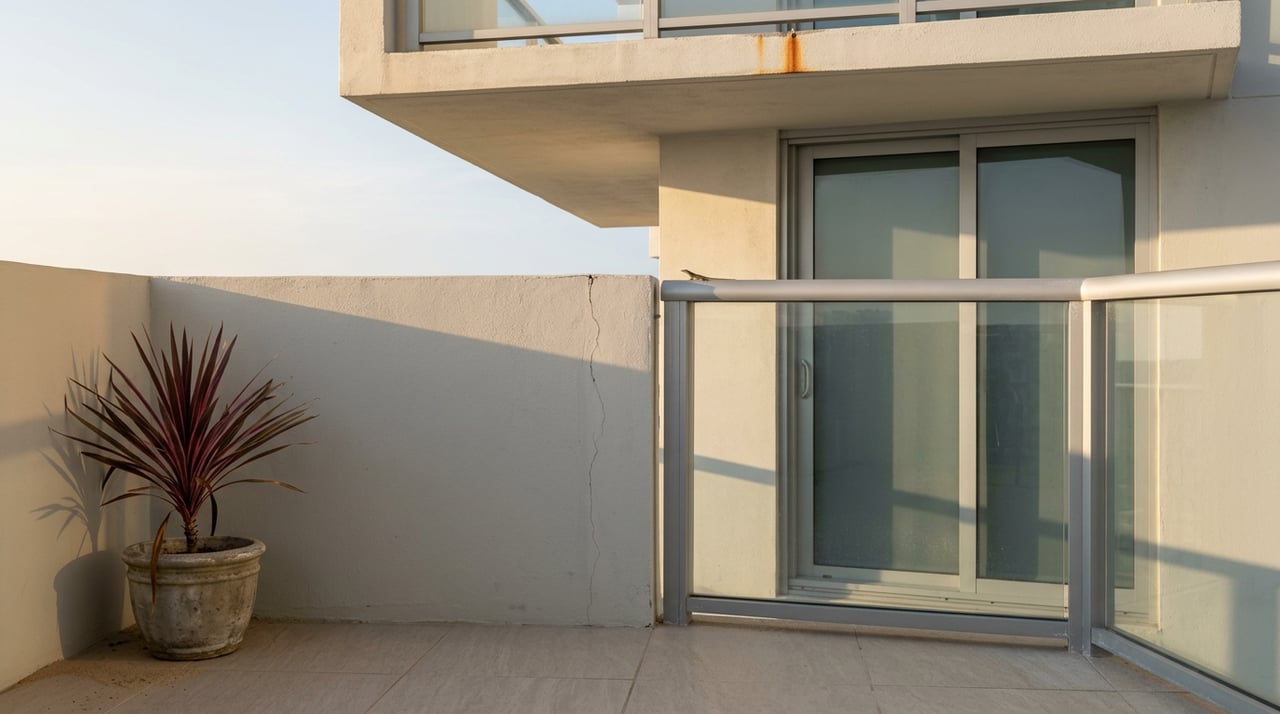
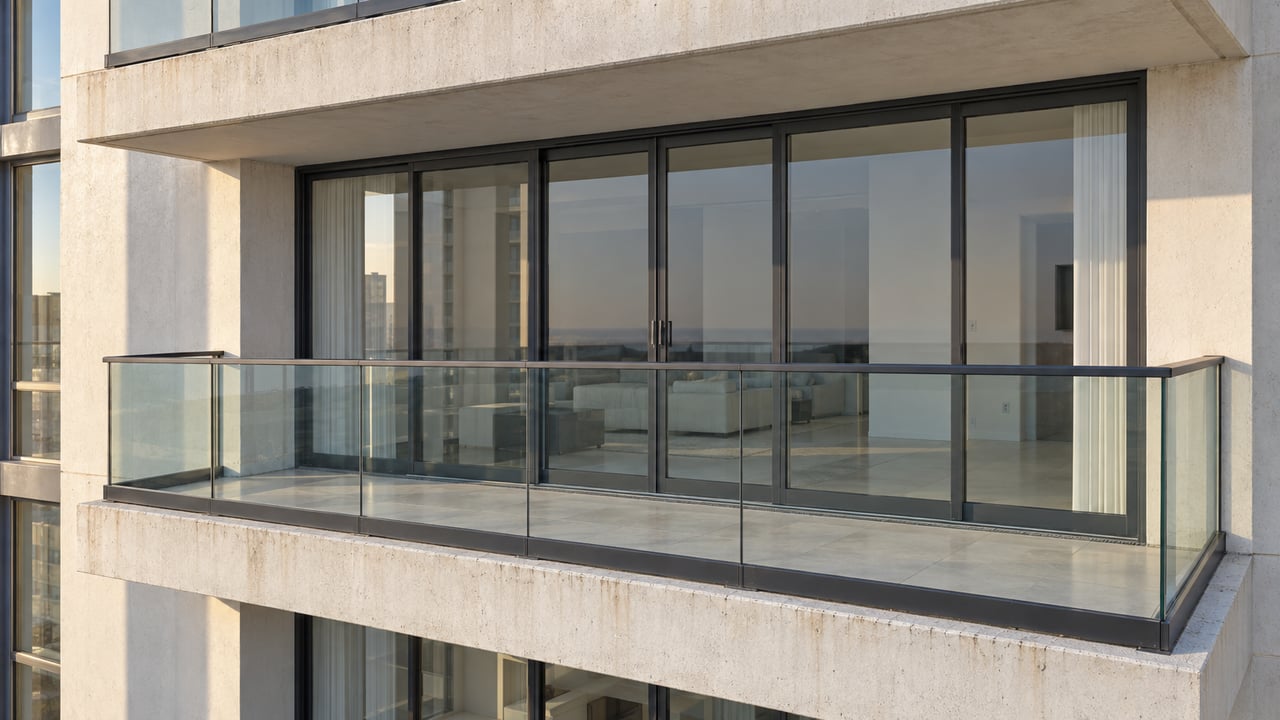
None of these buildings are unsafe because of their age. But concrete high-rises on salt air do not weather the same way an inland building does. Rebar corrodes, balconies spall, envelope seals fail years before a homeowner notices anything from the inside. In Florida, the milestone clock forces an engineer to look before an owner has to guess. In Alabama, the only forcing mechanism is whether the board decides to pay for a look.
Alabama law does give buyers one document: the resale certificate under §35-8A-409, which discloses the association's balance sheet and budget. What it doesn't require is a reserve study or any statement of how well-funded those reserves actually are. Boards are free to run pay-as-you-go budgets and cover big capital items with a special assessment when the need shows up, because nothing in §35-8A, the older §35-8, or the state's HOA Act compels otherwise.
Special assessments themselves are treated as ordinary common expenses under §35-8A-315 and become liens against the unit under §35-8A-316 if unpaid. There's no statutory ceiling on the size of one, and no requirement that owners approve it by a formal vote unless the building's own declaration says so.
Alabama's budget approval rule works in reverse of what most buyers assume. A board can propose a budget increase or a special assessment, and it stands unless a majority of the owners who actually show up to vote against it, whether or not enough owners showed up to hit quorum in the first place. Silence favors the board.
That single mechanic, buried in §35-8A-315, is why a Gulf-front association can move from a quiet monthly fee to a five-figure assessment without much friction along the way.
This isn't theoretical. Admirals Quarters, a Gulf-front building on Perdido Beach Boulevard developed in the early 2000s, had a roof replacement scheduled from November 2025 through February 2026 after an engineering study presented to the board in April 2025 confirmed the existing roof had reached the end of its useful life. Assessments were structured to come due within 60 days of the contractor selection, not spread quietly across years of dues.
Separately, another Orange Beach association approved a roof project this year that totaled just over $1.1 million, billed not evenly across owners but by unit size and stack position within the tower, meaning a top-floor corner unit and a mid-floor interior unit paid very different amounts for the same roof.
Neither of these buildings did anything wrong. Roofs wear out, especially on the coast. What both cases show is the pattern: the bill shows up as a board decision after an engineering study, not as a line item you could have seen coming from the monthly dues alone.
The consequence of unfunded reserves in an unregulated market eventually reaches the mortgage desk. Fannie Mae maintains a list of condo projects it considers ineligible for conventional financing, largely tied to maintenance and insurance adequacy since the Surfside collapse. A May 2025 NOLA.com report cited Boston condominium law attorney Stephen Marcus, who has reviewed the list even though it isn't public: nearly 70 complexes in Gulf Shores and Orange Beach were on it as of that reporting, roughly a quarter of all condo buildings in Baldwin County. Nationally, that list has grown from under 1,000 properties before Surfside to around 5,200 today, per Marcus.
A building on that list can still sell. Baldwin County condo sales fell about 17% in 2024 compared with 2023, and sat near half of their 2021 peak, according to the Alabama Center for Real Estate at the University of Alabama, with the first quarter of 2025 down 24% from the same period in 2024.
The 2026 numbers look different on the surface. Baldwin County's resort area, which includes Orange Beach, Fort Morgan, and the section of Gulf Shores south of Canal Road, posted 209 closings in April 2026 compared with 169 the year before, and 240 sales in May 2026 at an average price of $745,746, up from 197 sales and $702,436 a year earlier, per the Baldwin REALTORS MLS data. That's a real recovery in volume and price. It is not evidence that the underlying risk went away. It means enough well-funded buildings and cash buyers are transacting to move the average, while thinly reserved towers on the Fannie Mae list are still harder to sell and harder to finance than the headline numbers suggest. Alabama's 2026 legislative session took up condominium law again this spring, with proposed changes to how declarations get amended and how disputes go to arbitration. None of it touched structural inspections or reserve funding.
Alabama layers one more thing on top of all this: it's a caveat emptor state for real estate generally. Per the Alabama Real Estate Commission, sellers and their agents aren't required to volunteer defects unless asked directly, unless the defect poses a health or safety risk the buyer couldn't reasonably discover, or unless a fiduciary relationship exists between the parties. There's no statutory form a seller must complete.
In practice, that means a seller doesn't have to tell you the roof needs replacing. But asking directly whether any special assessment has been approved, proposed, or discussed puts that issue on the table—the question does the work the form would have done in a disclosure state.
If you own in one of these towers, the absence of a state-mandated inspection cuts both ways. A voluntary engineering report, even a basic one, gives you something concrete to hand a buyer's lender and something to point to if a buyer's agent starts asking pointed questions about age and condition. If an assessment has already been approved, spell out in the contract exactly who pays it and when, whether it's satisfied before closing, credited at closing, or prorated. Leaving that detail vague is one of the more common ways a deal falls apart during financing rather than during negotiation.
Does a seller have to tell me about a pending assessment before I make an offer? Not proactively under Alabama's caveat emptor rule, but ask directly and check the resale certificate for the association's current financial obligations.
How do I check if a building is on Fannie Mae's ineligible list before writing an offer? The list isn't public. Ask your lender to run a project eligibility check as early as possible, ideally before your inspection period closes, since finding out mid-contract can cost you time you don't get back.
If reserves aren't required, how do I judge whether a building's fund is healthy? Compare the reserve line in the budget against the building's age and major systems. A 25-year-old tower with a reserve balance that hasn't grown in years is a building where a special assessment is a matter of when, not if.
The lack of a milestone inspection law doesn't make Orange Beach condos more dangerous. It makes the paperwork the whole ballgame. Buyers who treat the resale certificate, the board minutes, and a direct conversation with the seller as seriously as Florida buyers treat a mandated report tend to avoid the deals that crater at the mortgage desk. If you're weighing a purchase or a sale in one of these towers and want a second set of eyes on the numbers before you sign anything, Vince Burchfield has been inside these buildings, these boards, and these budgets since 2006. Let's Connect.
This article is general information, not legal, tax or financial advice. Consult a qualified professional about your situation.
Stay up to date on the latest real estate trends.
Get assistance in determining current property value, crafting a competitive offer, writing and negotiating a contract, and much more. Contact me today to discuss all your real estate needs!